Health × human sciences × built environment

Human health, built into every decision.

IMPRONTA builds frameworks, decision systems and science-informed strategies that help organisations make health a defensible design objective.

From evidence to spatial decisionsFrom health claims to defensible logicFrom isolated factors to patterns of exposure

A decision layer for design

Health evidence belongs inside the decisions that shape space.

A growing body of knowledge describes how environments influence people. The harder question is how to translate that knowledge into priorities, trade-offs and decisions that survive the realities of a project.

IMPRONTA works between research and implementation. We structure knowledge from neuroscience, physiology, psychology and environmental sciences so project teams can use it without reducing health to a checklist or a design narrative.

IMPRONTA adds a human-health decision layer to architecture, making the consequences of design choices more visible, comparable and easier to carry through a project.

01Environment

What the spatial system presents

02Exposure

What people encounter over time

03Regulatory demand

What the person must manage

04Decision

What must change or be defended

Proprietary framework · Tested in practice

12C™

Neuroinclusion Decision Framework

A structured way to assess whether a defined spatial sequence can credibly support a neuroinclusive claim—before it is built.

12C™ examines environmental conditions through sensory, cognitive and social regulatory demand. It helps project teams distinguish essential minimum conditions from combined demands and optional enhancements.

12Spatial constraints
4Decision domains
4Experience phases
Sensory exposureCognitive regulationSocial pressureSequence & transition

12C™ is a decision and claim-assessment framework. It is not a certification, diagnostic instrument or universal design guide.

Discuss an assessment

How we work

Frameworks when scale matters. Advisory when context matters.

01

Health decision frameworks

Custom decision structures that translate a health ambition into criteria, priorities, trade-offs and accountable project logic.

Systems
02

Science-informed design consulting

Project-specific reviews, briefs and guidance for workplaces, housing, education, public space and cultural environments.

Advisory
03

Research & validation

Evidence reviews, stakeholder research, spatial audits, workshops and applied studies that test assumptions against human experience.

Evidence

Selected work

Different formats. One consistent ambition.

Our contribution may be a framework, research study, audit, brief or embedded advisory role. Each project begins with the decision that needs to become more intelligent.

Applied research
01

IMPRONTA × Contrain · 2025

Workplace Impact Test

A live workplace study combining physiological signals, cognitive testing and environmental measurement to examine how contrasting micro-environments affect regulatory load and performance.

Decision framework
02

University of Silesia · Katowice · 2024

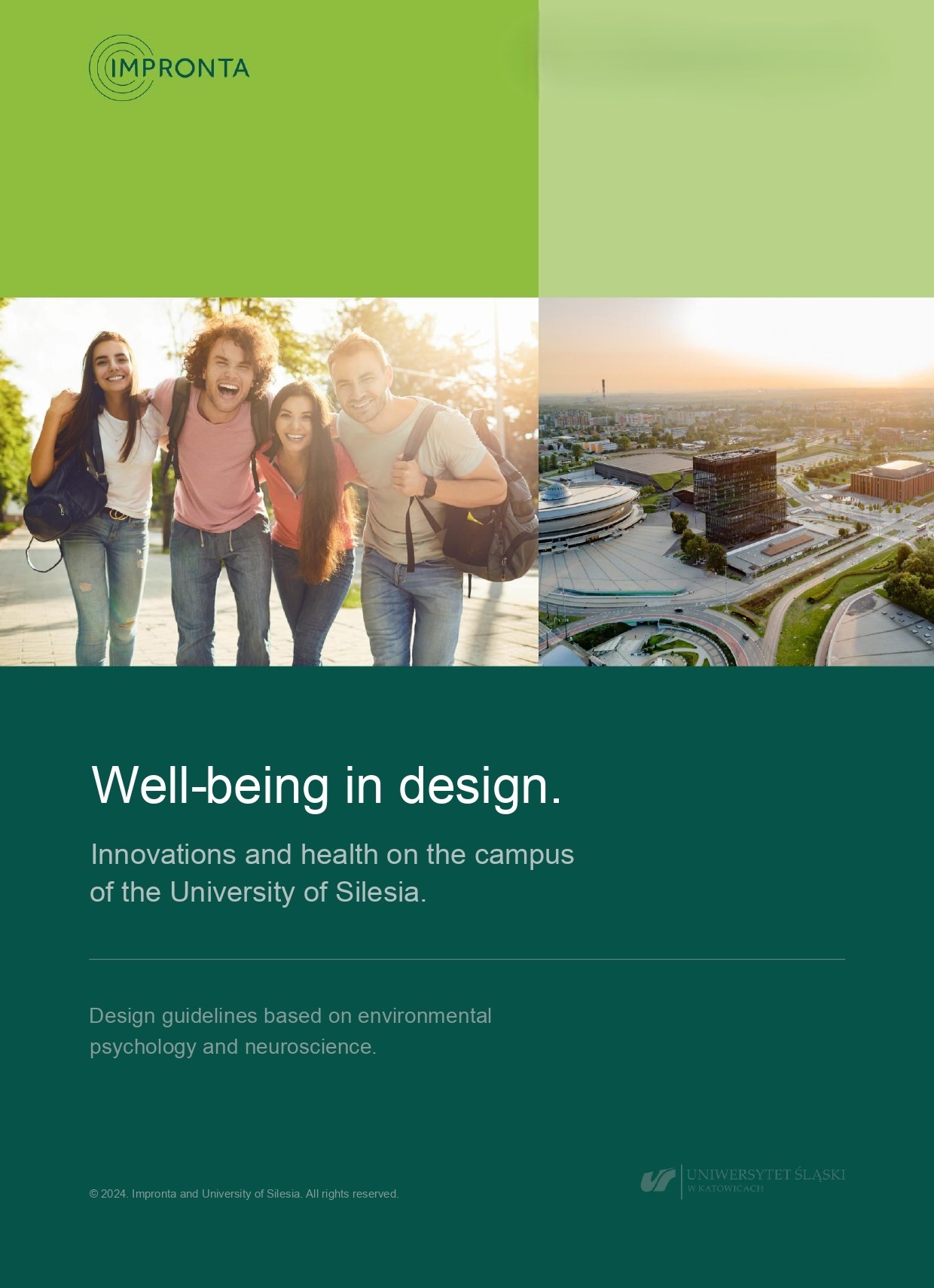
Green Science Zone

A health-centred framework for an urban academic campus, translating restoration, movement, belonging and pro-environmental behaviour into design priorities.

Residential advisory
03

ALLCON · Gdynia · 2025

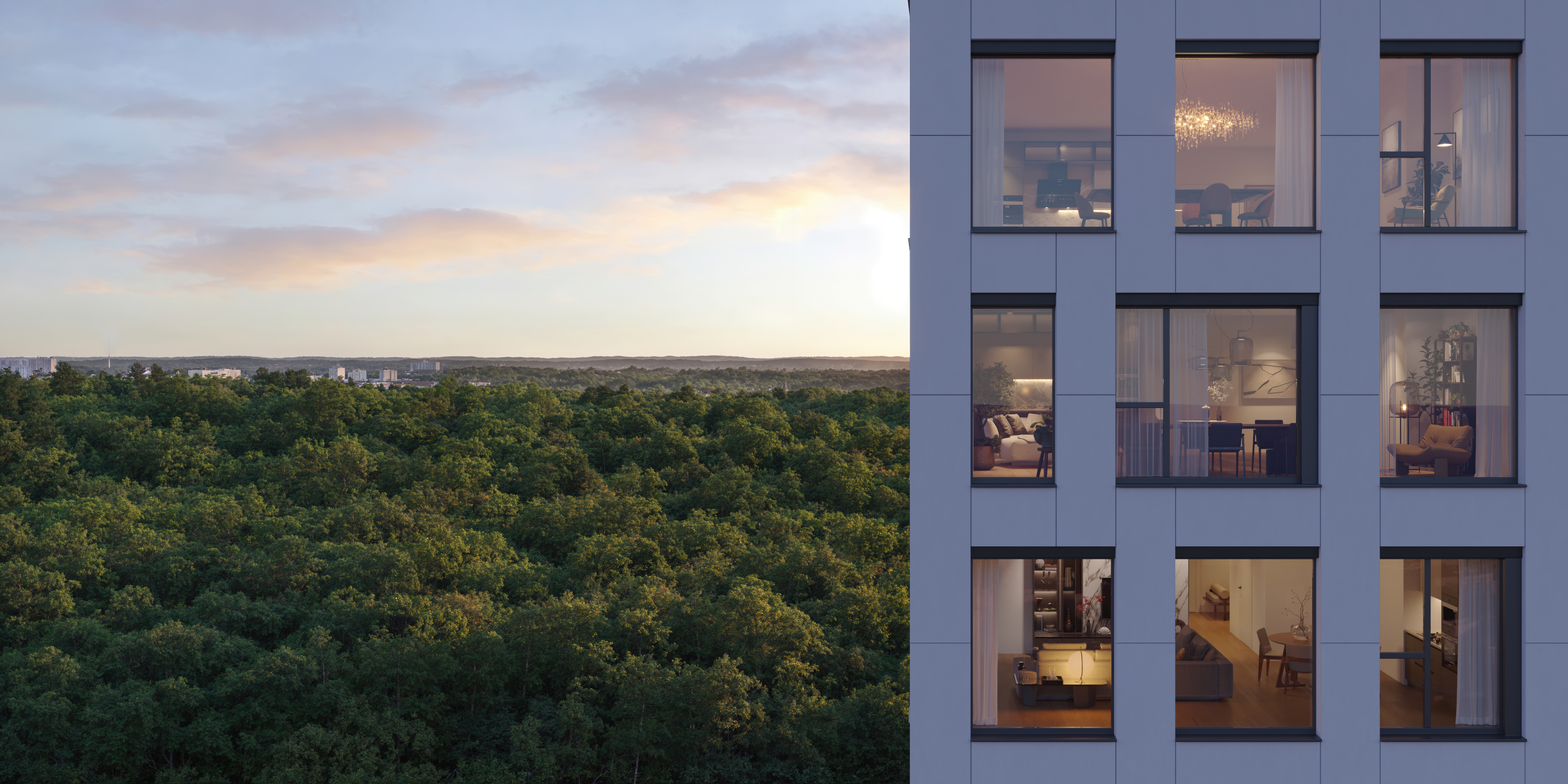
SKYCITY

A neuroscience-informed review of a premium residential development, examining indoor and outdoor conditions through health, stress regulation, movement and inclusion.

Science-informed design
04

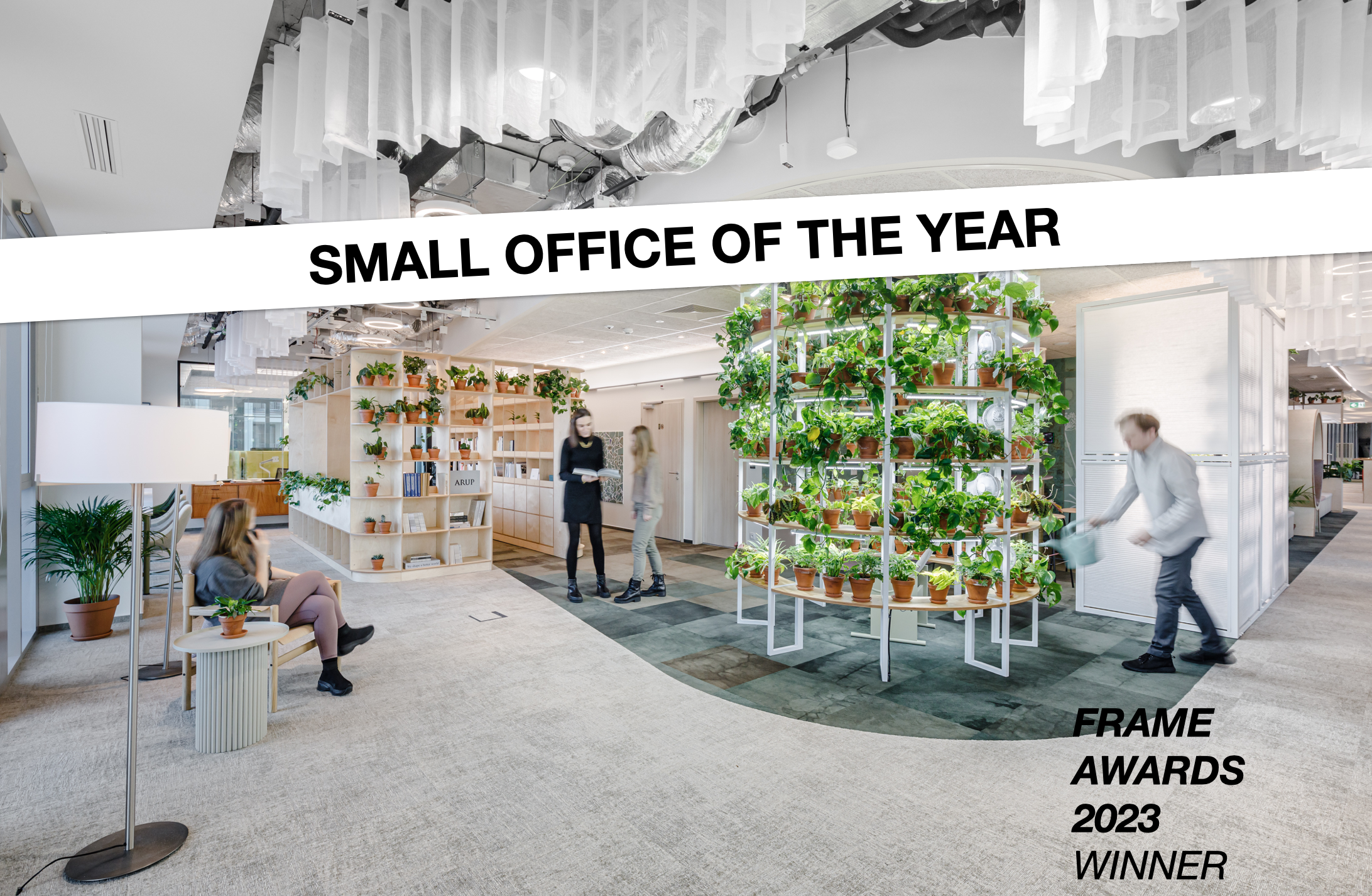
ARUP Warsaw Office · 2023

Restorative Corridor

Research and design guidance for a transitional workplace space supporting micro-restoration, natural light, prospect and cognitive recovery.

Building assessment
05

Collegium Da Vinci · Poznań · 2024

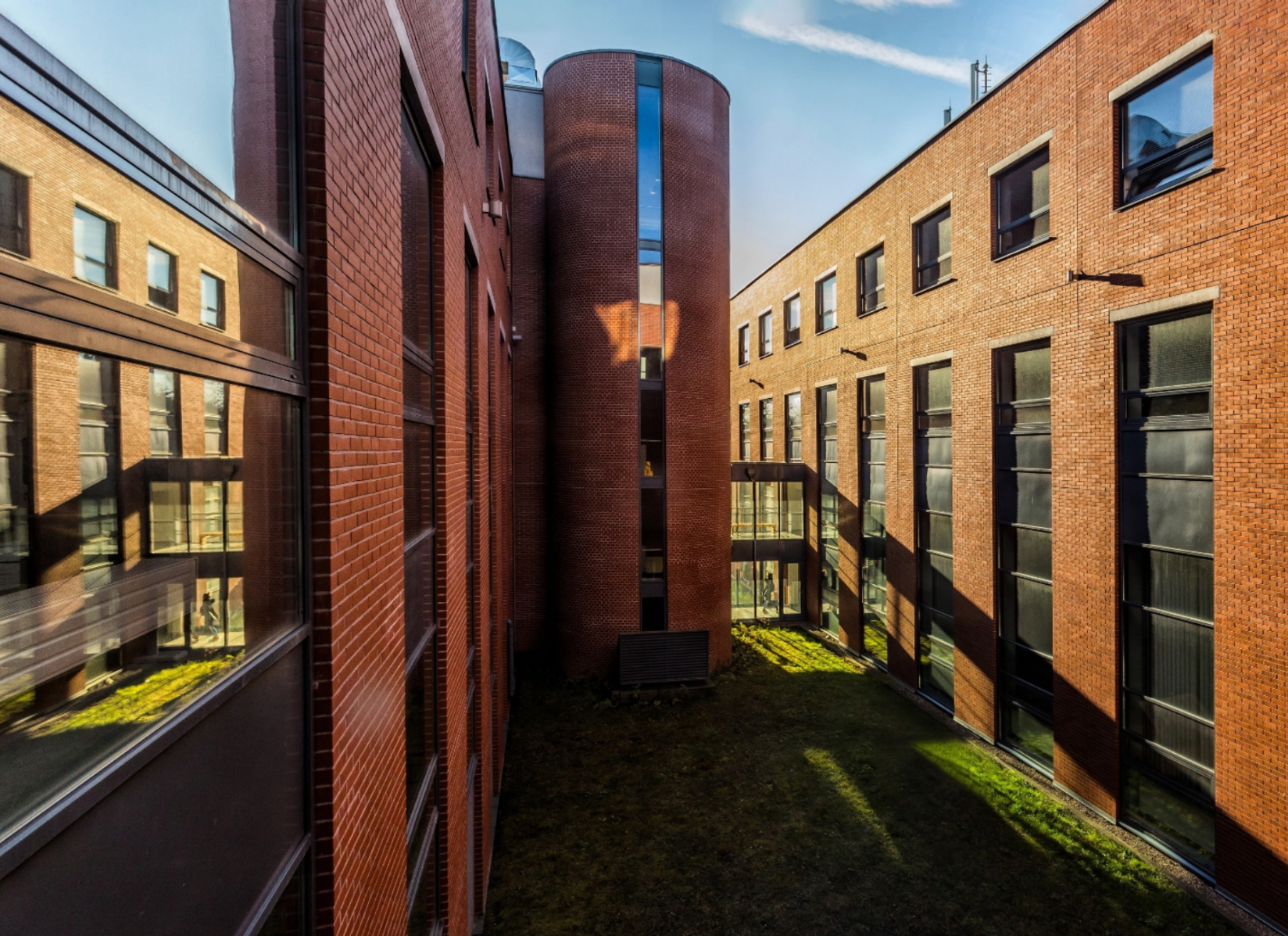
Neuroinclusion Audit

An assessment of an 18,000 m² educational building integrating spatial audit, focus groups and interviews to identify conditions affecting clarity, safety, sensory load and belonging.

Research report
06

SKANSKA · 2023

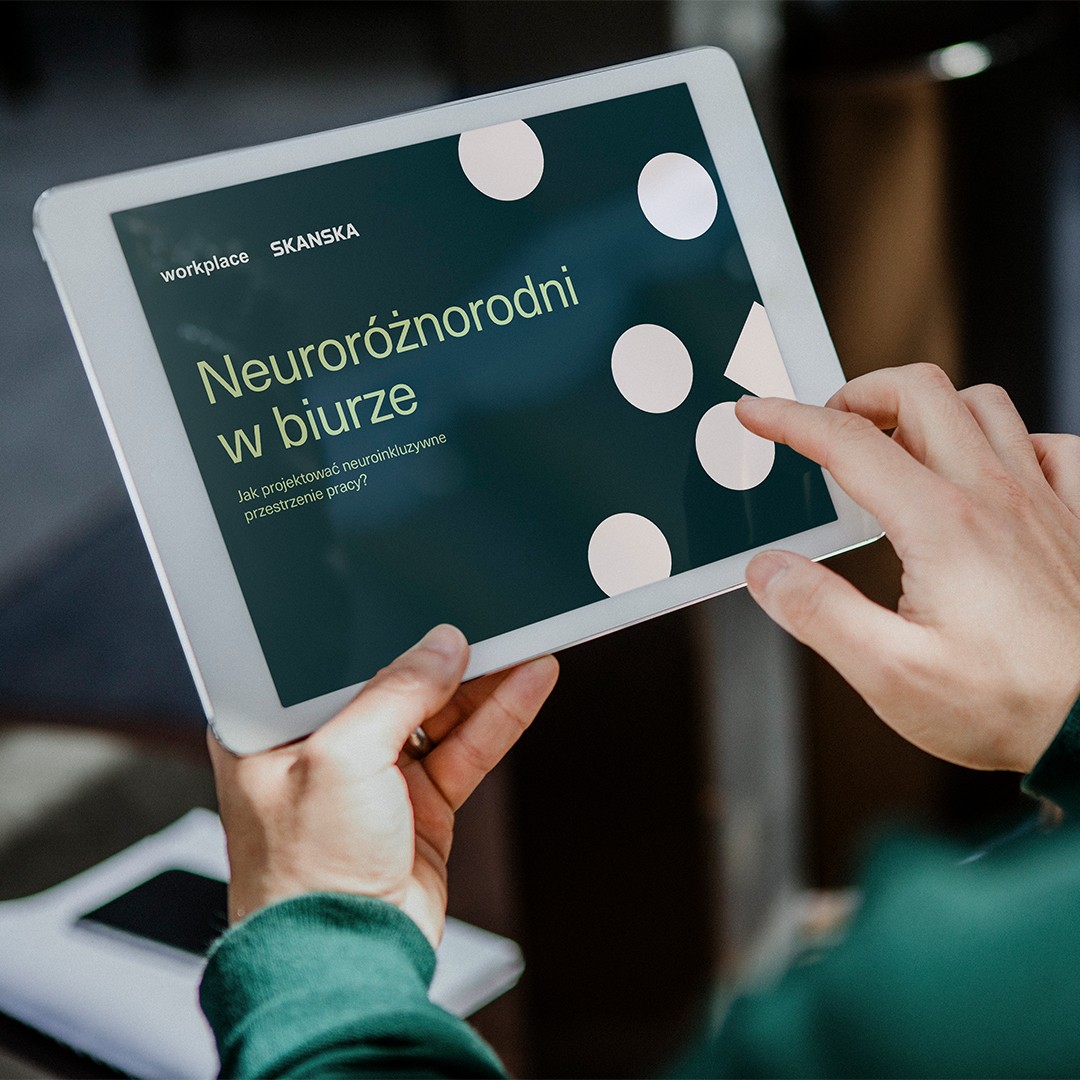
Neurodiversity in the Office

A market-facing report bringing neurodiversity into workplace strategy and translating differences in sensory and cognitive processing into spatial implications.

“They laid out neuroarchitecture like a jigsaw puzzle and showed us how complex and broad our view of a project needs to be in order to truly create a space for people.”

ALLCON · Client reflection

Core team & expert network

Built for interdisciplinary questions.

IMPRONTA was co-founded by Natalia Olszewska, physician, neuroscientist and Chief Science Officer, and Ezio Lilli, who leads operations and real-estate strategy. Each project draws on a core team and an international expert network.

Ezio Lilli

Ezio Lilli

Co-founder · Operations & Real Estate

Alessandro Villa

Alessandro Villa

Architecture & Materiality

Martina Frattura

Martina Frattura

Lighting Designer

Laura Sangiorgi

Laura Sangiorgi

Architecture & Colour

Nour Tawil

Nour Tawil

Architecture, Research & Geometry

Agata Bolesta

Agata Bolesta

Psychology & Environmental Psychology

Miriam Hoffman

Miriam Hoffman

Neuroscience Applied to Architecture

Anna Ławecka

Anna Ławecka

Architecture & Urban Space

Agata Goleśna

Agata Goleśna

Urban Design & Neurourbanism

Media, writing & public discourse

Making health in the built environment part of a wider conversation.

Selected features, interviews, essays and lectures across business, architecture, design, culture and public life.